






FAQ's
Why is 8 KB such a difficult image-size limit?
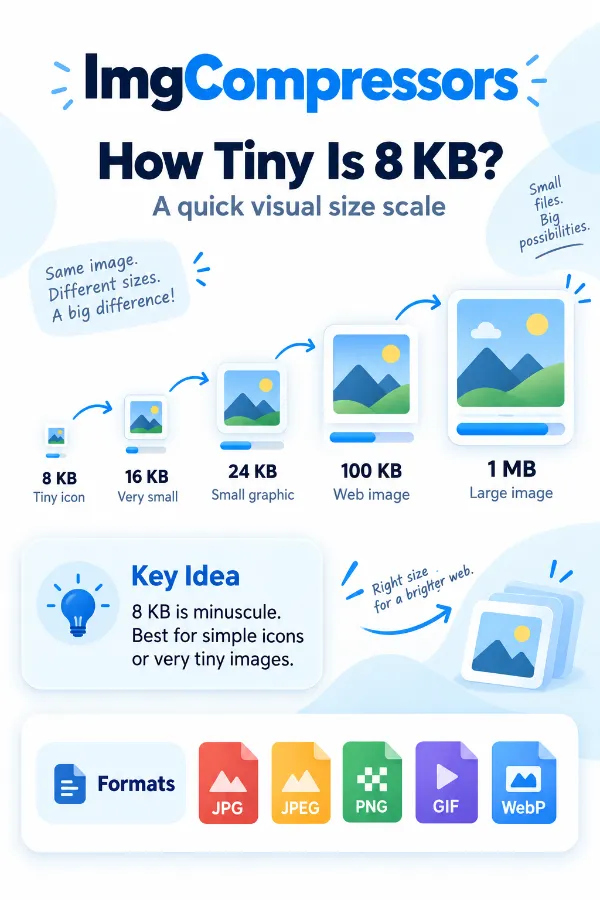
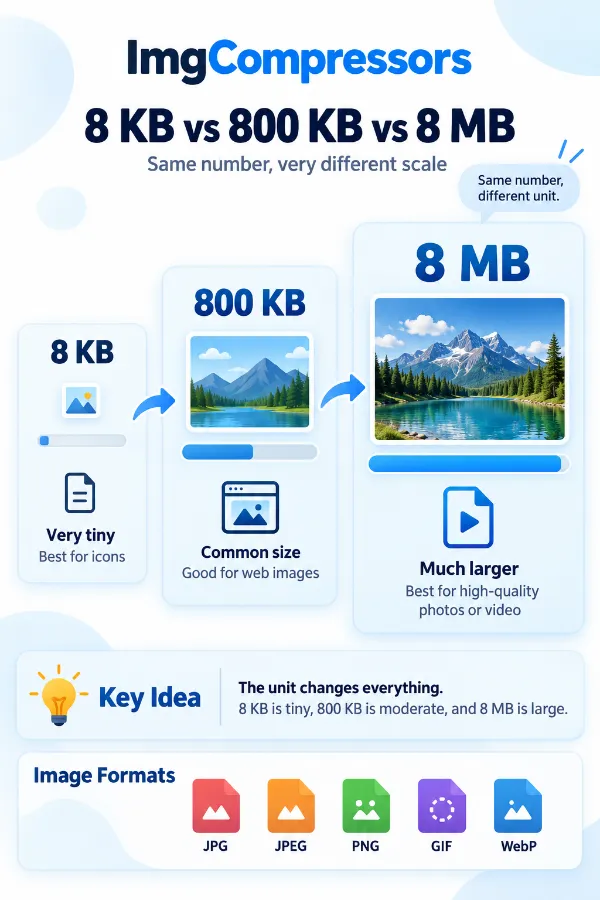
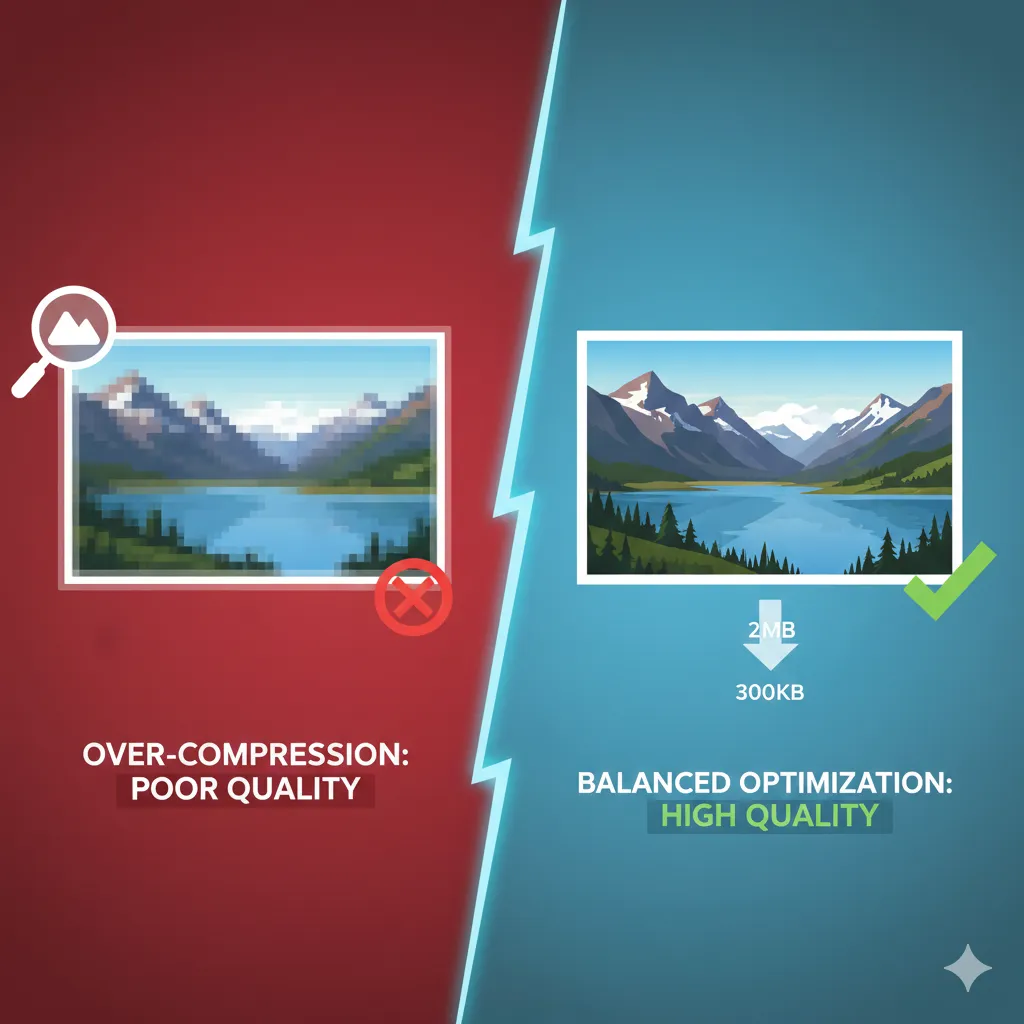
8 KB is an extremely small amount of data for an image compared with the size of most photographs and graphics. Reaching this limit can require substantial compression, particularly when the original contains a lot of visual information. The smaller the target compared with the original, the greater the potential change in appearance.
Which types of images are more suitable for an 8 KB target?
Simple icons, basic graphics, small illustrations, and images with limited colors or detail are generally easier to reduce to such a small size. Detailed photographs, screenshots, and complex graphics can be much harder to fit within 8 KB. The intended use should also determine whether the resulting quality is acceptable.
What if my image is several hundred KB or MB?
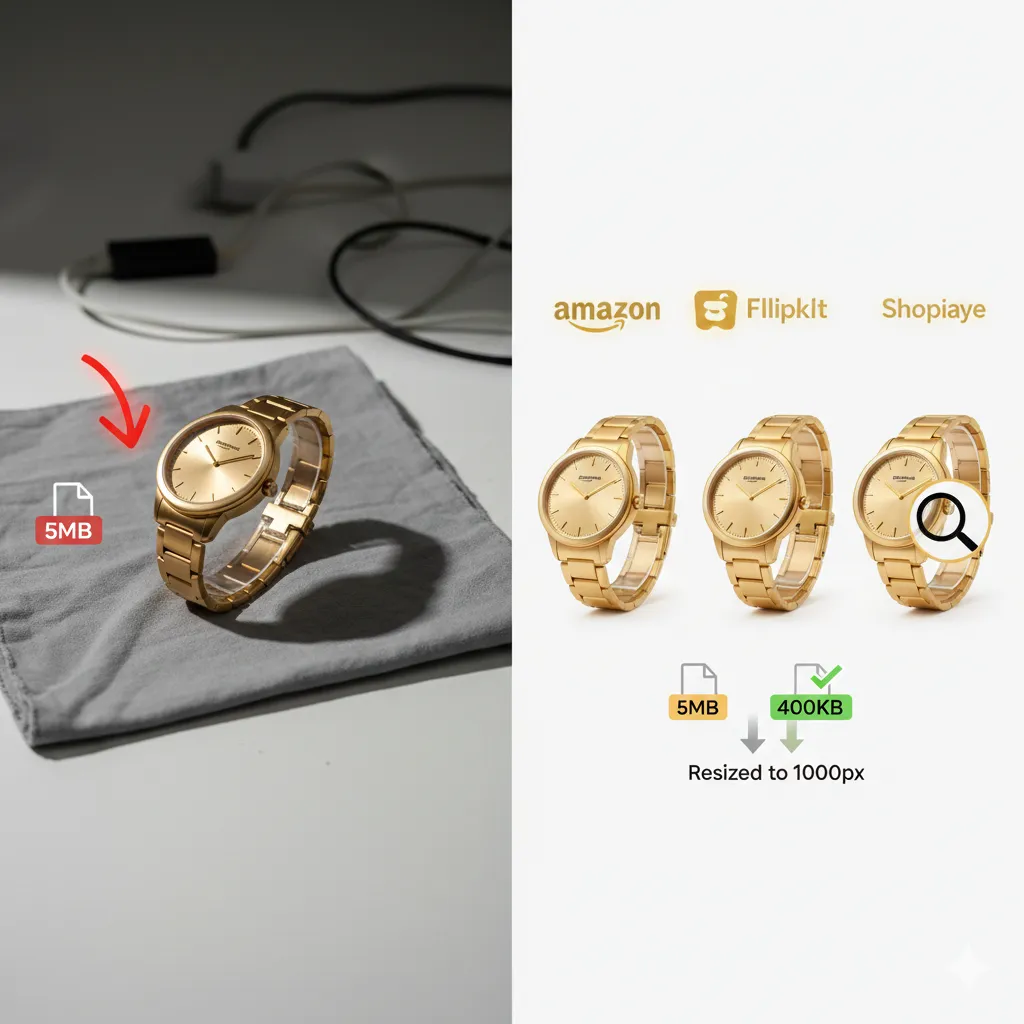
Reducing a large image to 8 KB means removing a substantial amount of file data. A photograph that starts at several megabytes may therefore experience a much more noticeable change than an image that starts close to the target. Review the compressed result carefully before using it.
Can an 8 KB image still retain readable text?
It depends on the amount and size of the text in the image. Small text, screenshots, and detailed documents can become difficult to read when compressed to such a restrictive target. Check important text at the size at which it will actually be viewed.
Why can two images behave differently when compressed to 8 KB?
Images contain different amounts and types of visual information. Colors, textures, patterns, gradients, and fine details can all affect how much reduction is needed to reach the same target. As a result, two files of similar original size may produce noticeably different results at 8 KB.
Why does an 8 KB image still have large dimensions?
File size and pixel dimensions are separate properties. Compression can reduce the amount of stored image data without necessarily changing the width and height. Therefore, an 8 KB file can still have relatively large pixel dimensions.
What happens if my image is already below 8 KB?
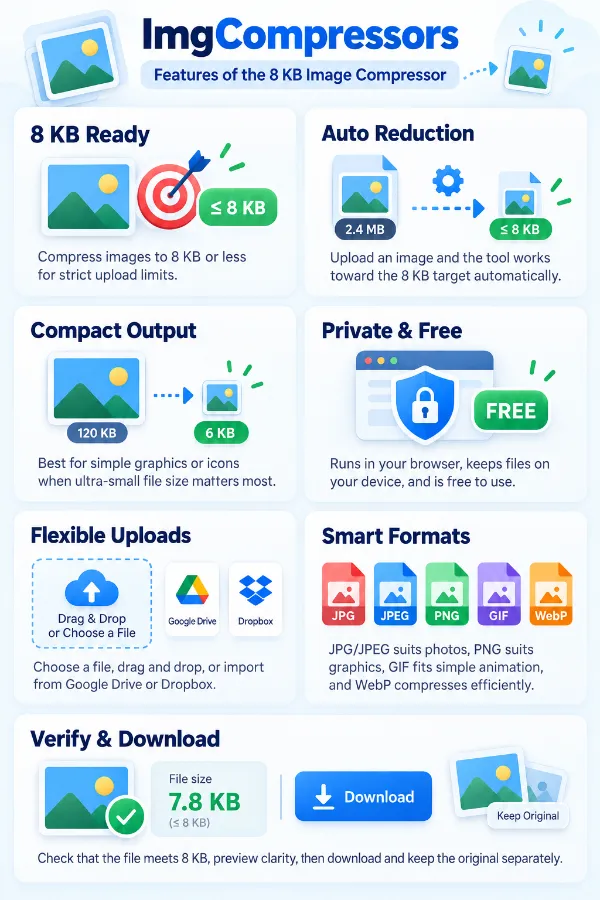
If 8 KB is the maximum allowed file size, an image that is already below the limit may not need further reduction. The tool will show that the file is already under the target size, so no further compression may be necessary.
What if my image is only slightly above 8 KB?
When the original is already close to the target, only a small reduction may be necessary. This can make it easier to reach the limit without a major visible change. Always verify the resulting file size because being just above the limit can still cause an upload to fail.
Why does changing the format matter when trying to reach 8 KB?
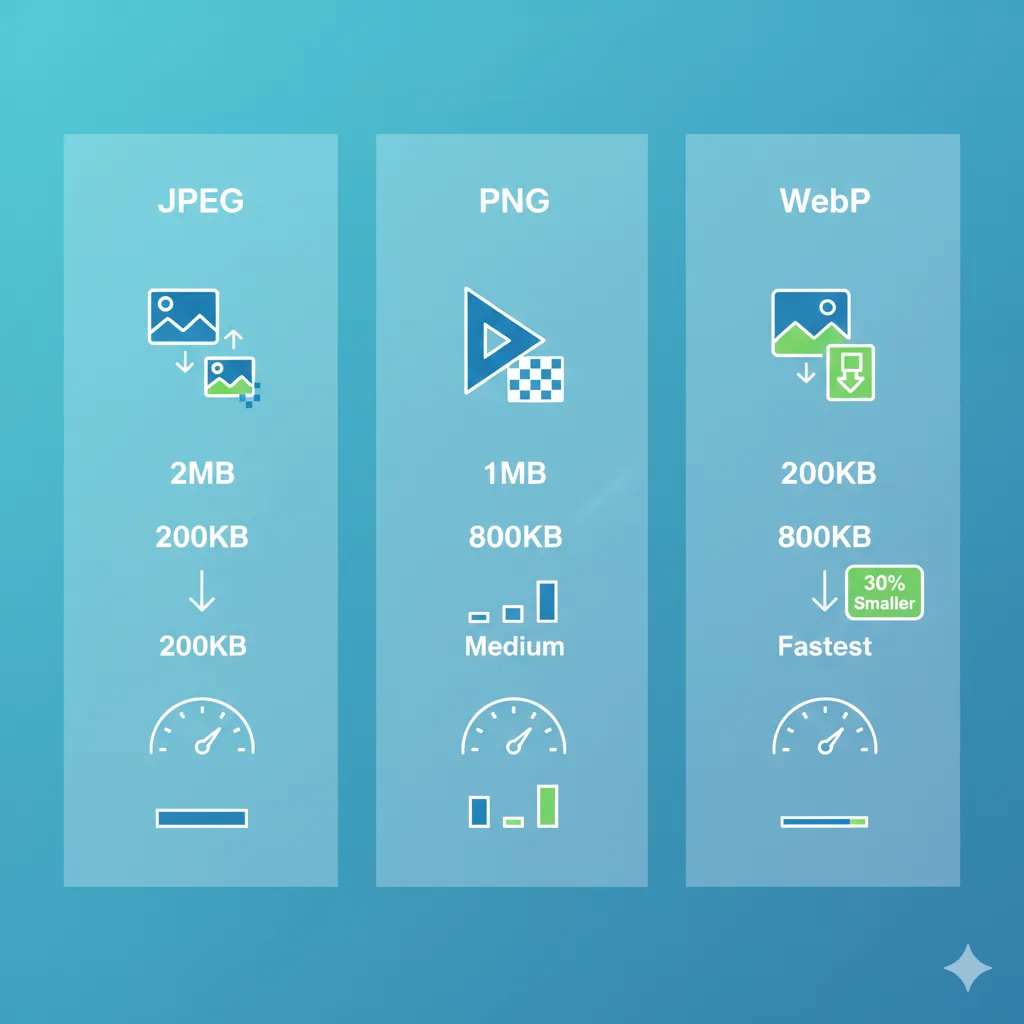
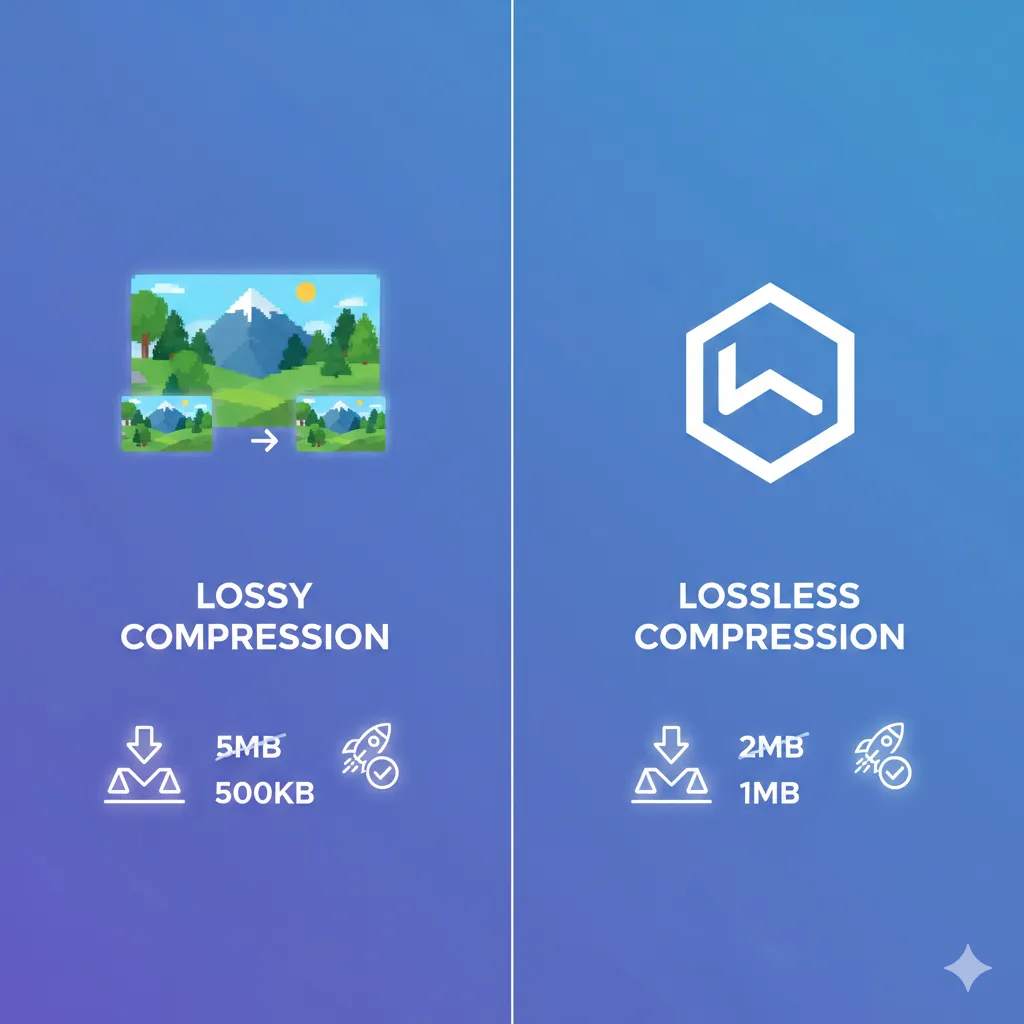
Different formats use different ways of storing and compressing image information. A format that works well for one type of image may not be as suitable for another, especially when the target is extremely small. Consider the image content and whether the destination supports the format before changing it.
What should I do if the 8 KB result is too blurry?
First, check whether the destination permits a larger file size, since even a modestly higher limit can provide more room for visual information. If 8 KB is mandatory, simplifying the image before compression may help, such as removing unnecessary visual elements. If important information is still unclear, the 8 KB restriction may simply be too restrictive for that particular image.
Why can an 8 KB result be much smaller than 8 KB?
The target represents an upper file-size limit rather than a requirement to produce a file of exactly 8 KB. Depending on the original image and the compression process, the resulting file may fall below the target. A smaller result is acceptable when the destination only specifies 8 KB as the maximum.
When is an 8 KB target not appropriate?
An 8 KB target may be unsuitable when the image needs to preserve extensive detail, readable small text, photographic information, or high visual quality. It is more practical when extremely small file size is the priority. For printing or other detail-sensitive uses, check the destination's image specifications before choosing such a restrictive target.
Does changing the file format count as compression?
Changing the format and compressing the image are related but not identical operations. Converting an image from PNG to JPG changes how the image is stored and may also reduce its file size because JPG uses a different compression approach. The final format must remain compatible with the intended service or platform that will receive and use the image.