






FAQ's
What is image compression?
Image compression reduces the file size of an image by optimizing or removing data while keeping the image usable. It can make images easier to upload, share, store, and use on websites.
Why should I compress an image?
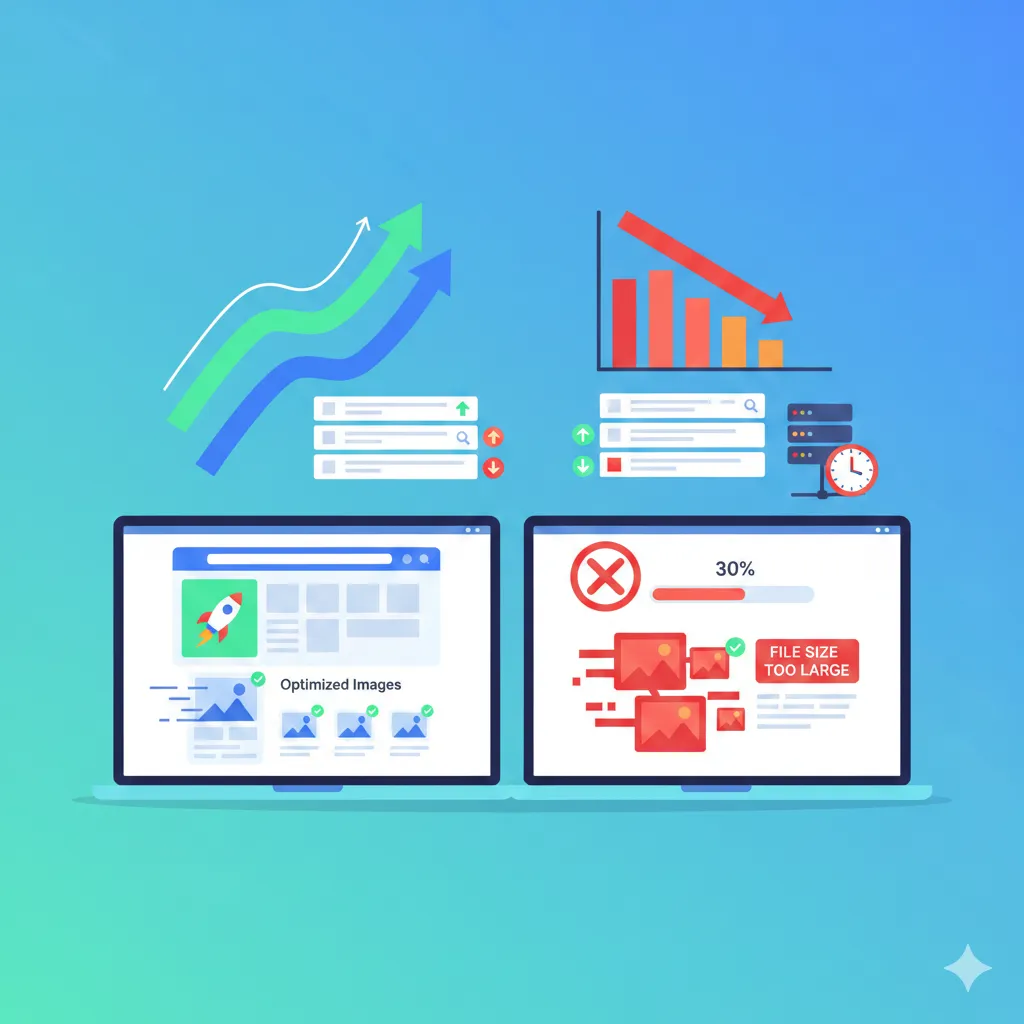
Compressing an image can reduce its file size, making it easier to upload and share. Smaller image files can also help reduce storage requirements and page weight when used on websites.
Can I preview the compressed image before downloading?
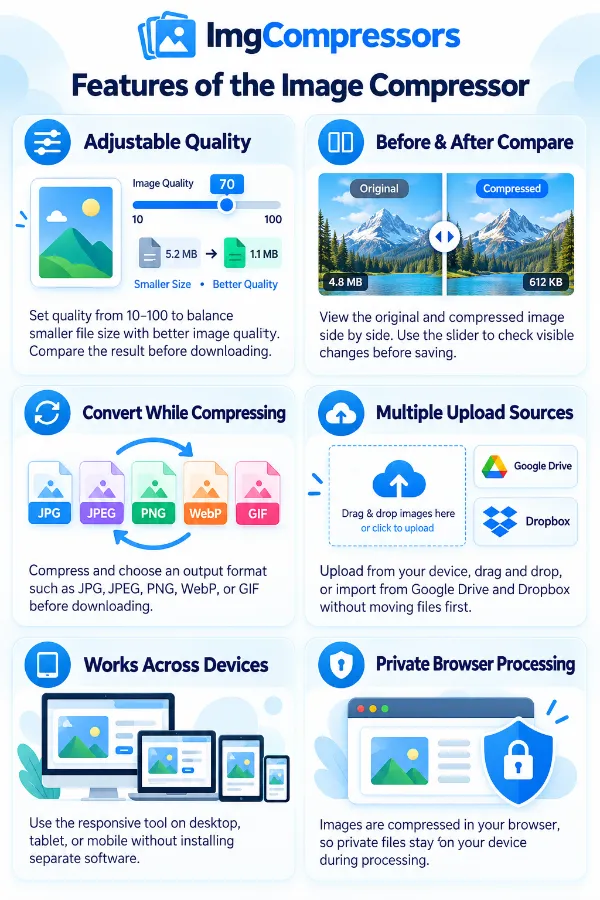
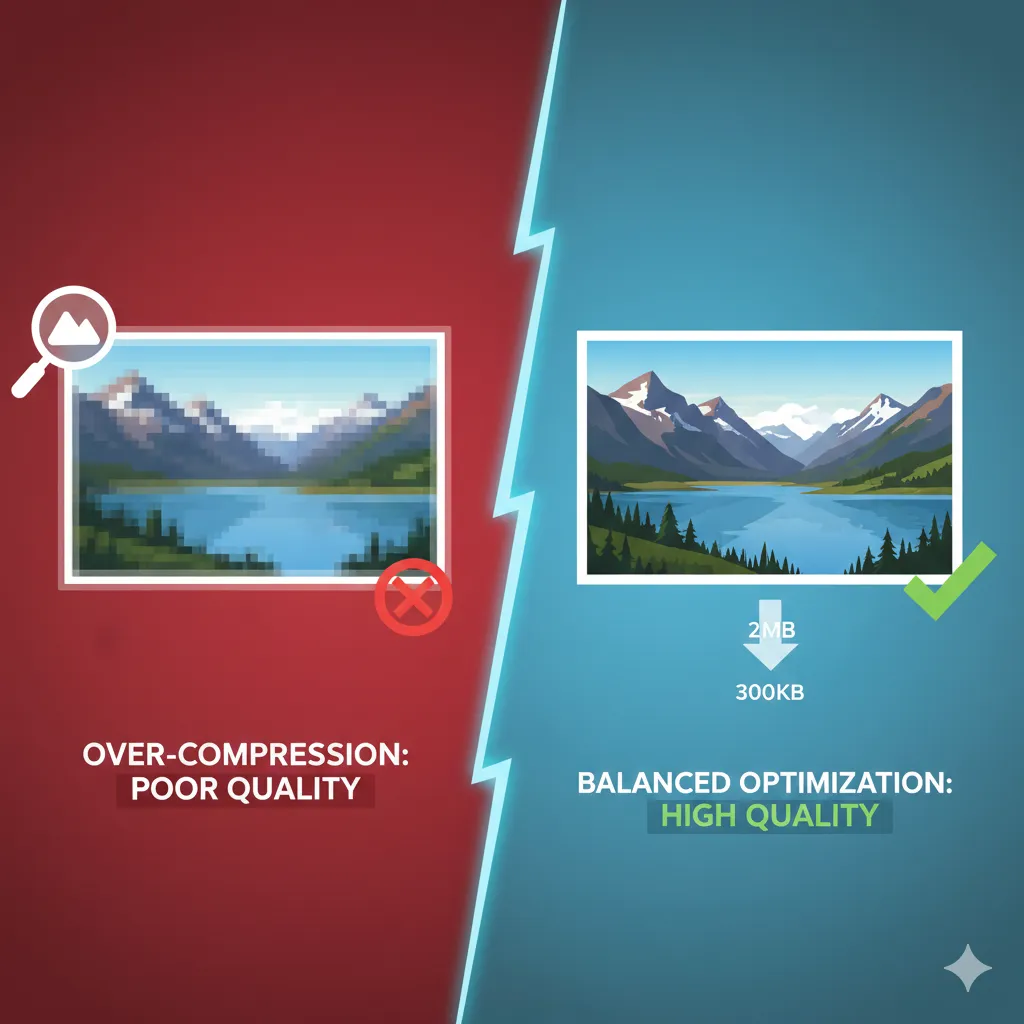
Yes. After compression, you can preview the result and compare it with the original image. This helps you check whether the compressed version looks suitable before downloading it.
Can I compare the original and compressed file sizes?
Yes. The tool shows the original and compressed file sizes after processing. Comparing these values lets you see how much the image file size has been reduced.
Can I change the image format while compressing it?
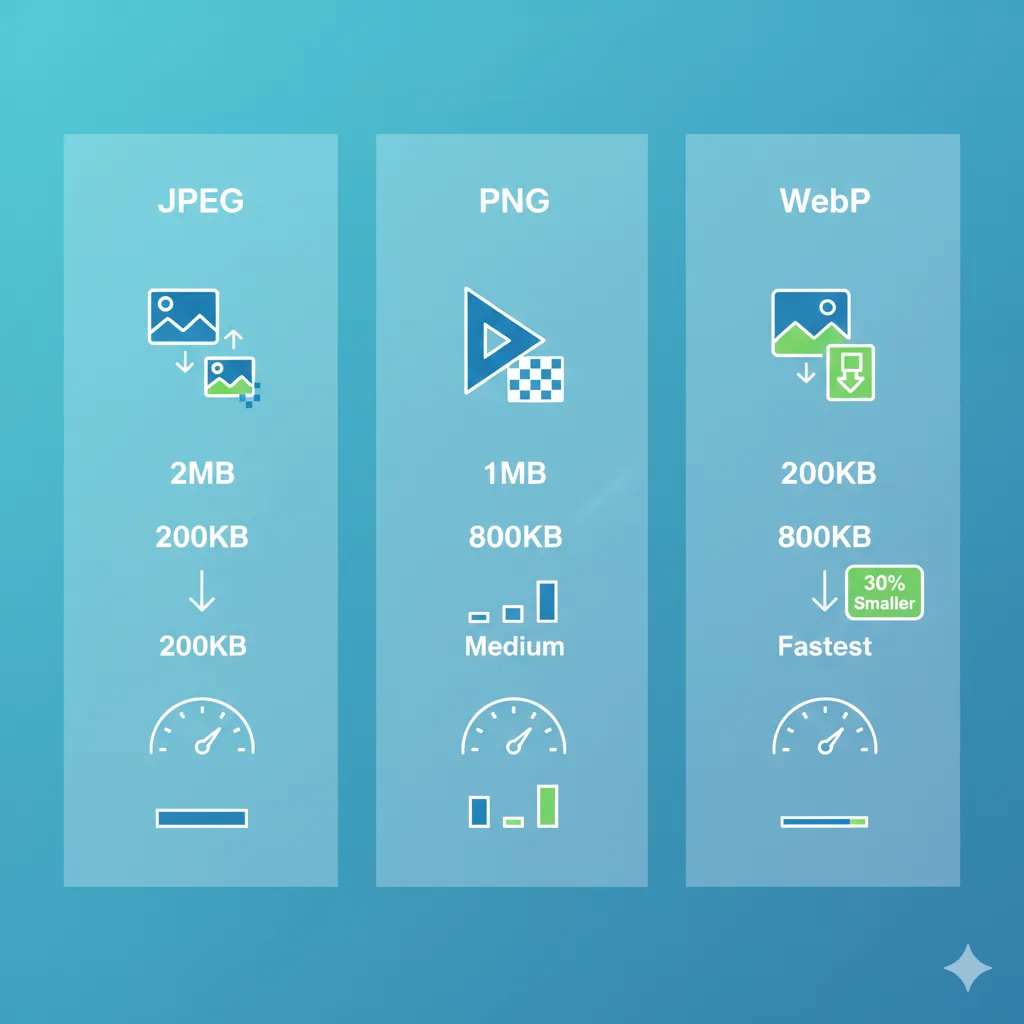
Yes. You can select an available output format while processing the image. This allows you to compress the image and save the result in a supported format such as JPG, PNG, GIF, or WebP.
Does compressing an image change its dimensions?
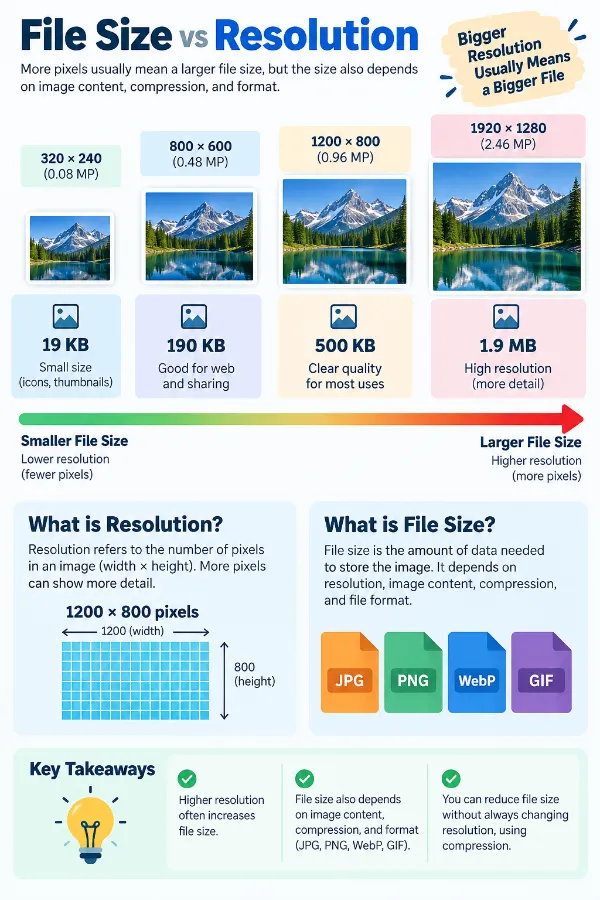
Image compression primarily reduces the file size and does not serve the same purpose as resizing. If you need to change the width or height of an image, use an image resizing tool instead.
Can I compress GIF images?
Yes. The tool supports GIF images for compression. The resulting file size can vary depending on the GIF's content and the selected compression settings.
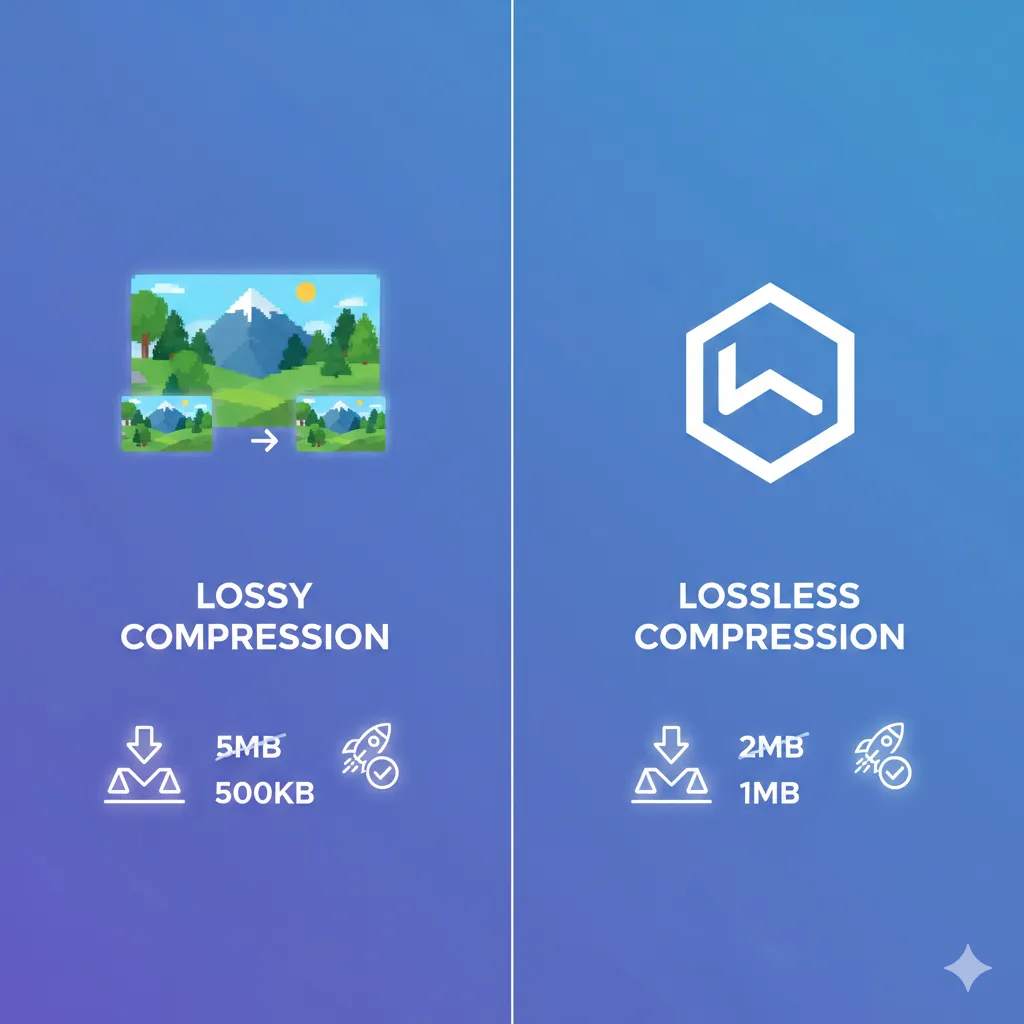
Is image compression lossy or lossless?
Image compression can be either lossy or lossless, depending on the compression method and format being used. Lossy compression can provide greater file-size reduction by accepting some image-quality changes, while lossless compression preserves the original image data.
Can I use this image compressor on my phone?
Yes. The tool is designed to work across different screen sizes, including smartphones and desktop computers. You can upload, compress, preview, and download images from a supported mobile browser.
Can I compress an image to an exact file size?
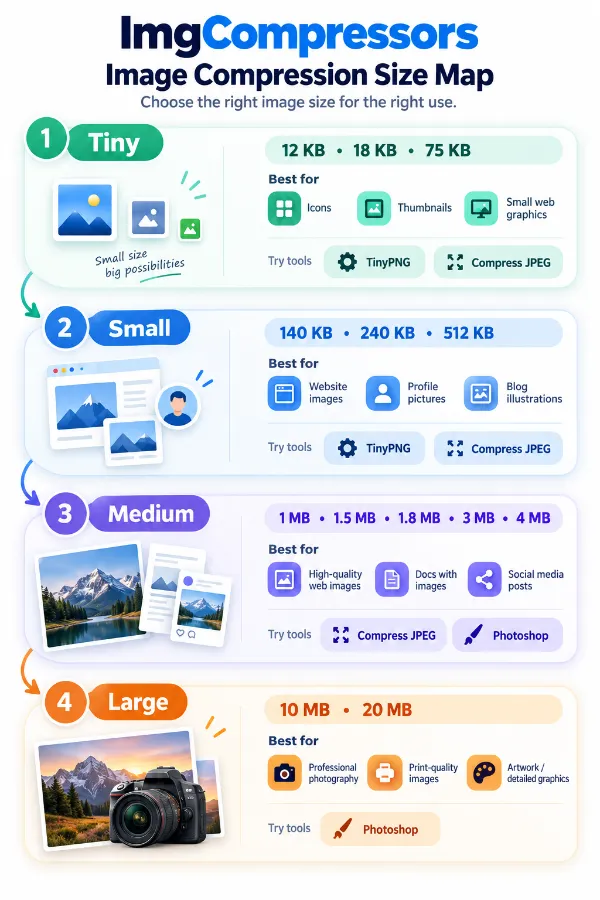
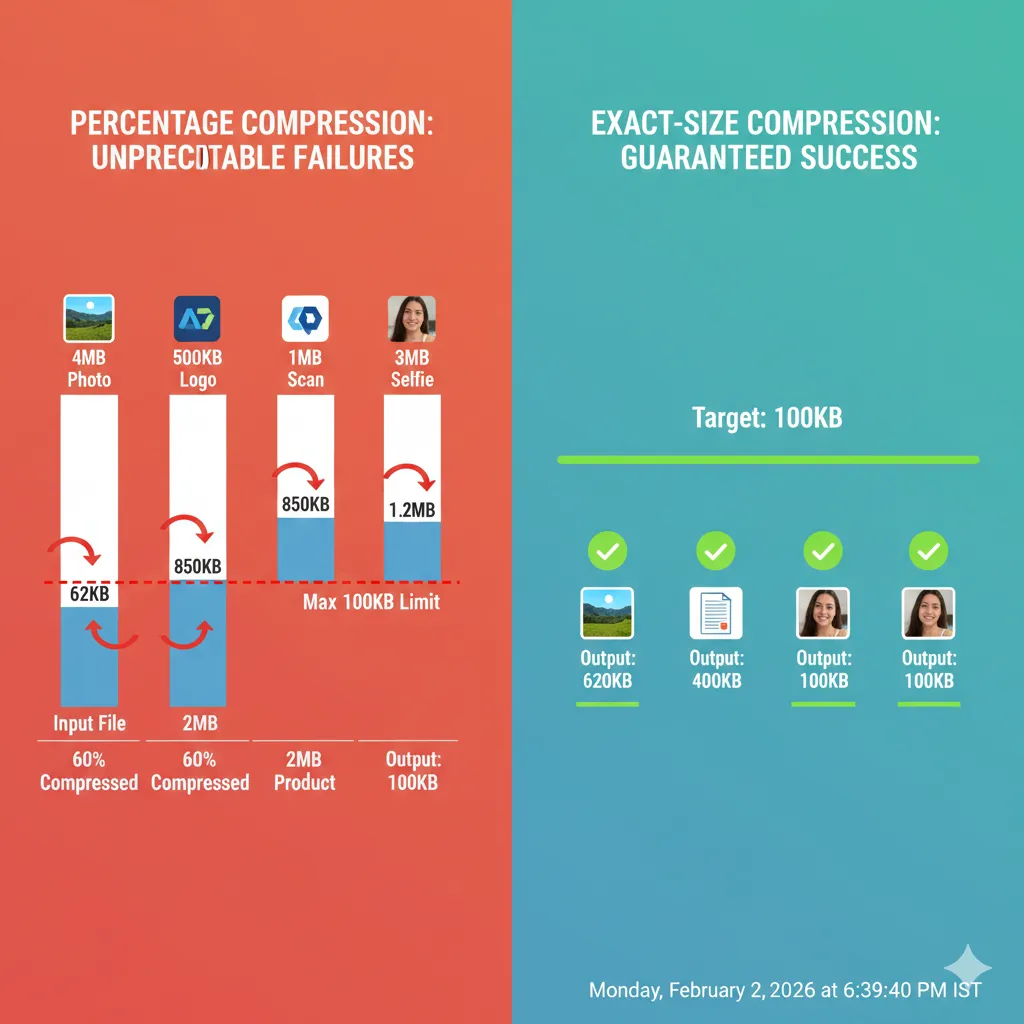
This image compressor lets you control compression through the quality setting rather than entering an exact target file size. If you need a specific limit such as 100 KB, 200 KB, or 500 KB, use our image-specific size compression tool.
Will every image be reduced by the same amount?
No. The amount of compression depends on factors such as the original image, format, image content, and selected quality level. Two images with the same original file size can therefore have different compressed sizes.
How long does it take to compress an image?
Most images can be processed within a short time, although the processing time can vary depending on the image size, format, and device or browser being used.