






FAQ's
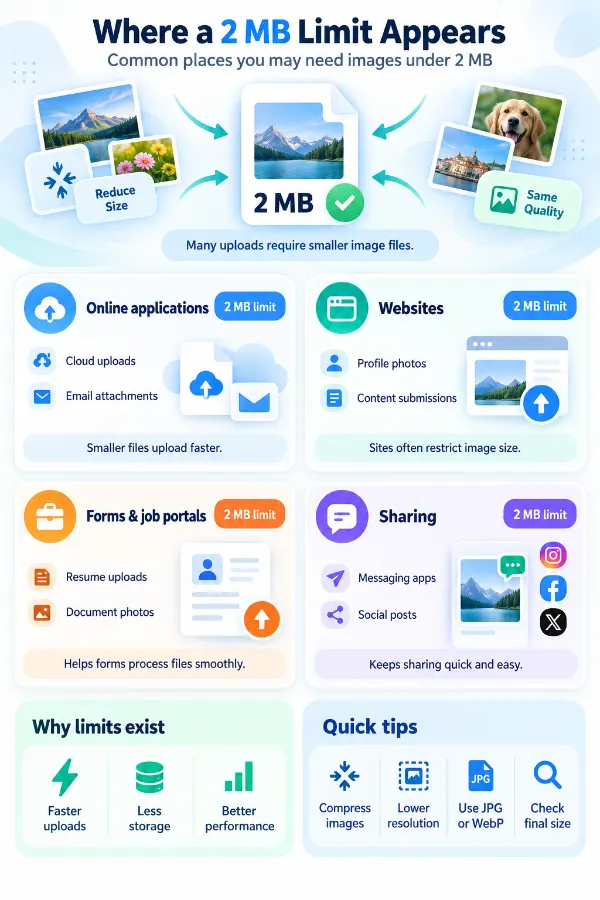
Where is a 2 MB image file-size limit commonly used?
A 2 MB limit can appear in online application forms, profile uploads, document submissions, website content systems, and other services that restrict image uploads. The exact requirement varies by platform, so the destination's stated limit should always be checked.
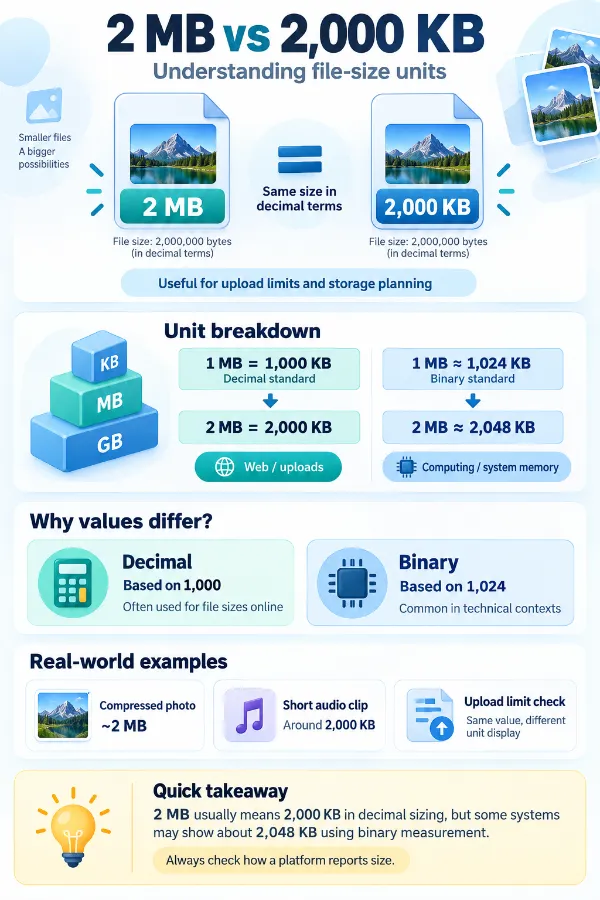
Does 2 MB determine the image's width and height?
A 2 MB describes the file size, not the image dimensions. An image that is 2 MB can have different pixel dimensions depending on its format, compression, and visual content.
Why is my image still larger than 2 MB after compression?
Some images are difficult to reduce because they contain substantial detail, large pixel dimensions, or complex visual information. If the original file is already compressed, reducing it further to 2 MB may also require more aggressive compression.
Why does reducing a large image to 2 MB affect its quality?
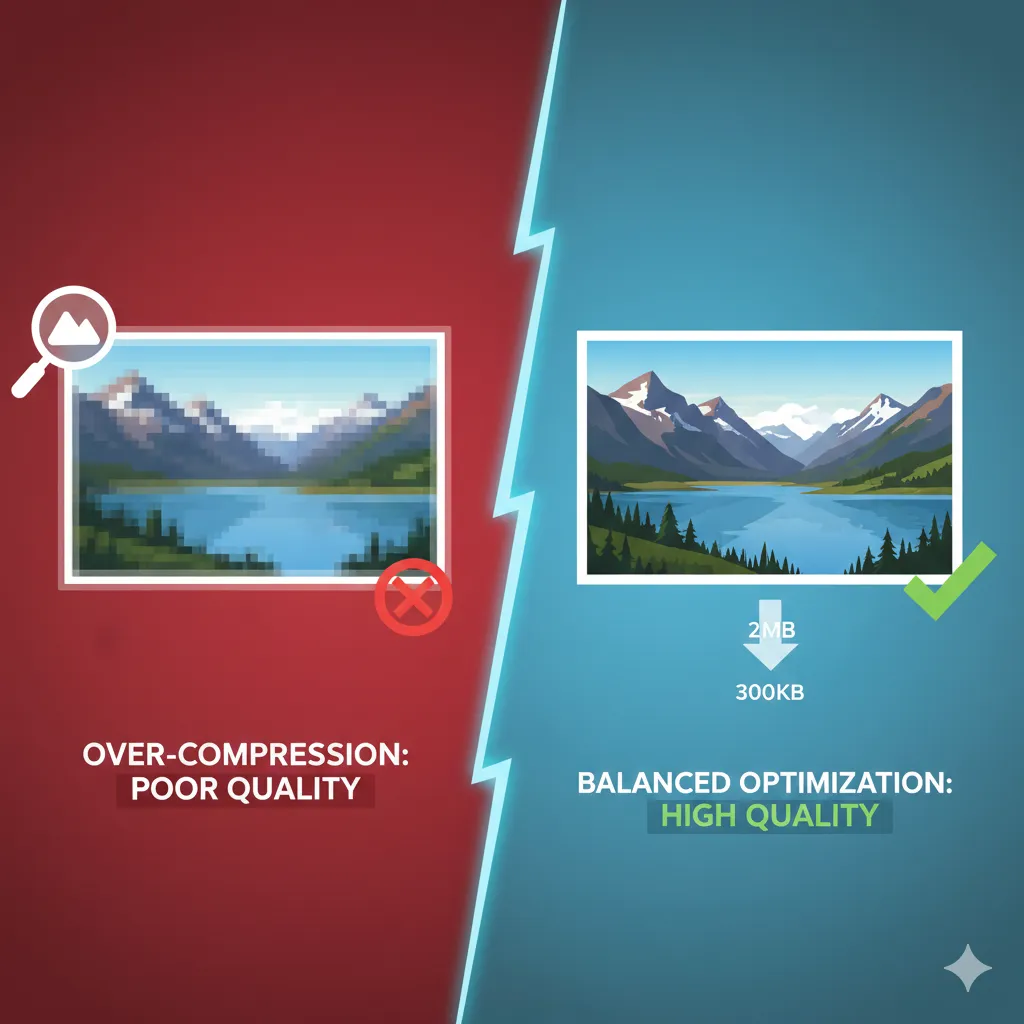
A large reduction in file size can require stronger compression, which may remove some image detail. Changes are more noticeable in photographs with fine textures and images containing small text, sharp edges, or detailed graphics.
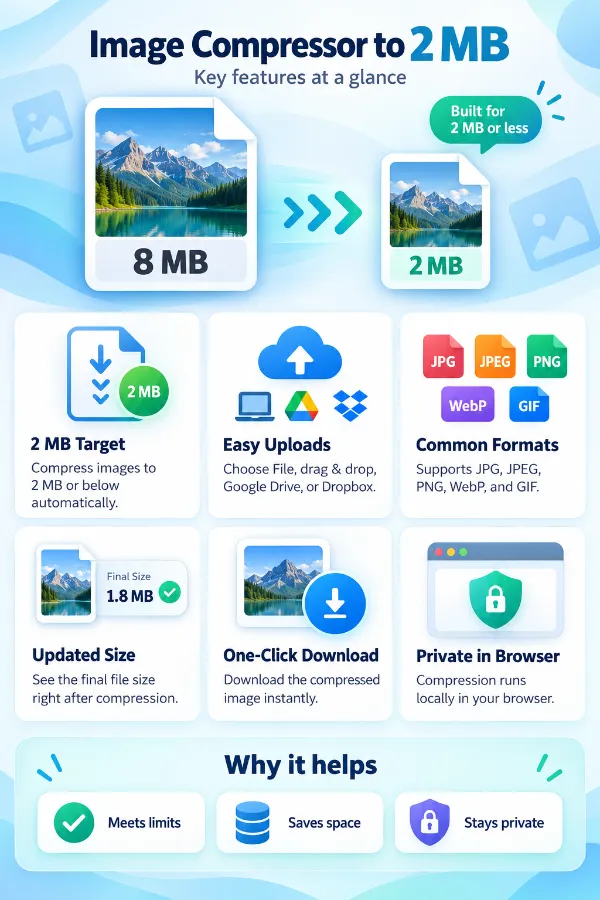
Why does my 1.8 MB image not need further compression?
A 1.8 MB file is already below the 2 MB maximum. Compressing it further may provide little practical benefit while potentially reducing image quality unnecessarily.
What happens when a photo is several megabytes larger than the 2 MB limit?
A substantial reduction is required to bring the file below 2 MB. The greater the reduction, the more important it becomes to check the final image for lost detail or visible compression effects.
Why does the same image size not always have the same quality?
File size alone does not determine image quality. Pixel dimensions, image format, compression method, and the amount of detail in the image all influence how much visual information is preserved.
Why does my screenshot become less clear after reducing it to 2 MB?
Screenshots often contain small text, thin lines, and sharp interface elements that can be affected by compression. When a large reduction is necessary, these details may become softer or less readable.
Why can a scanned document become difficult to read after compression?
Scanned documents often contain small characters and fine lines that require sufficient image detail. Excessive compression can reduce this clarity, so the compressed copy should be checked before it is used for an important submission.
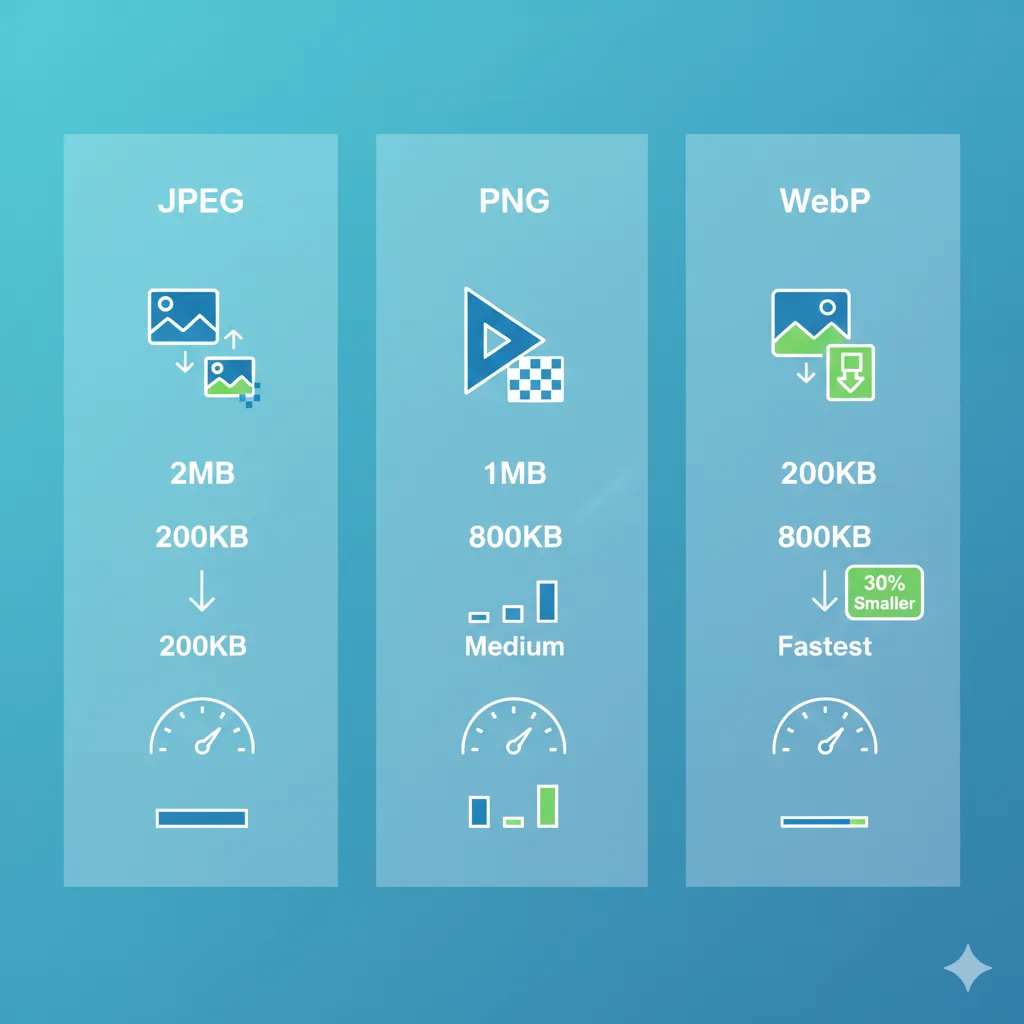
Why did changing the image format affect its file size?
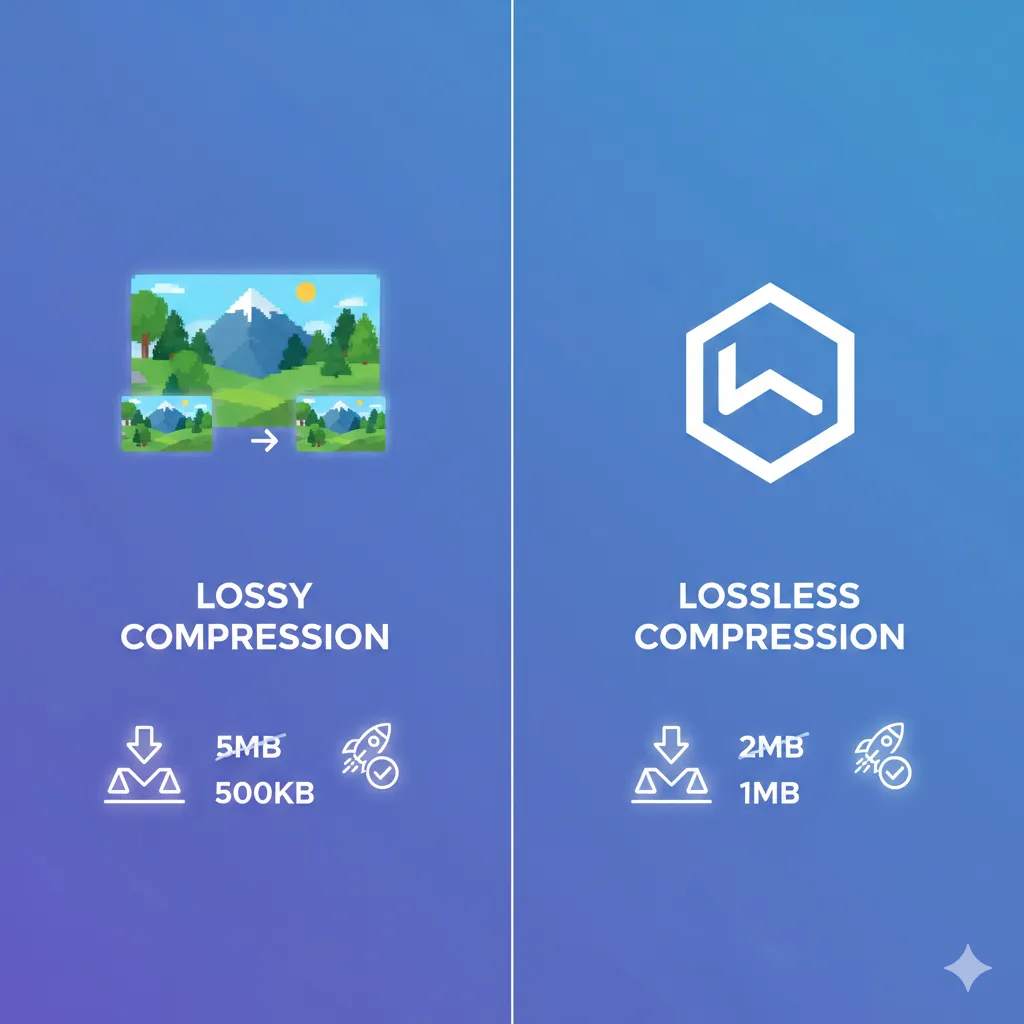
JPG, PNG, GIF, and WebP use different compression approaches and can produce different file sizes from the same image. A format that works well for photographs may not produce the same results for graphics, screenshots, or images with transparency.
Why can two images with the same dimensions have different file sizes?
Pixel dimensions only describe the width and height of an image. The final file size also depends on the image content, format, compression settings, metadata, and other factors.
What happens when an image is already close to 2 MB?
Only a relatively small reduction may be needed to meet the limit. This generally gives you more room to preserve the original image's visual detail compared with reducing a much larger file.
Why is a compressed image sometimes much smaller than 2 MB?
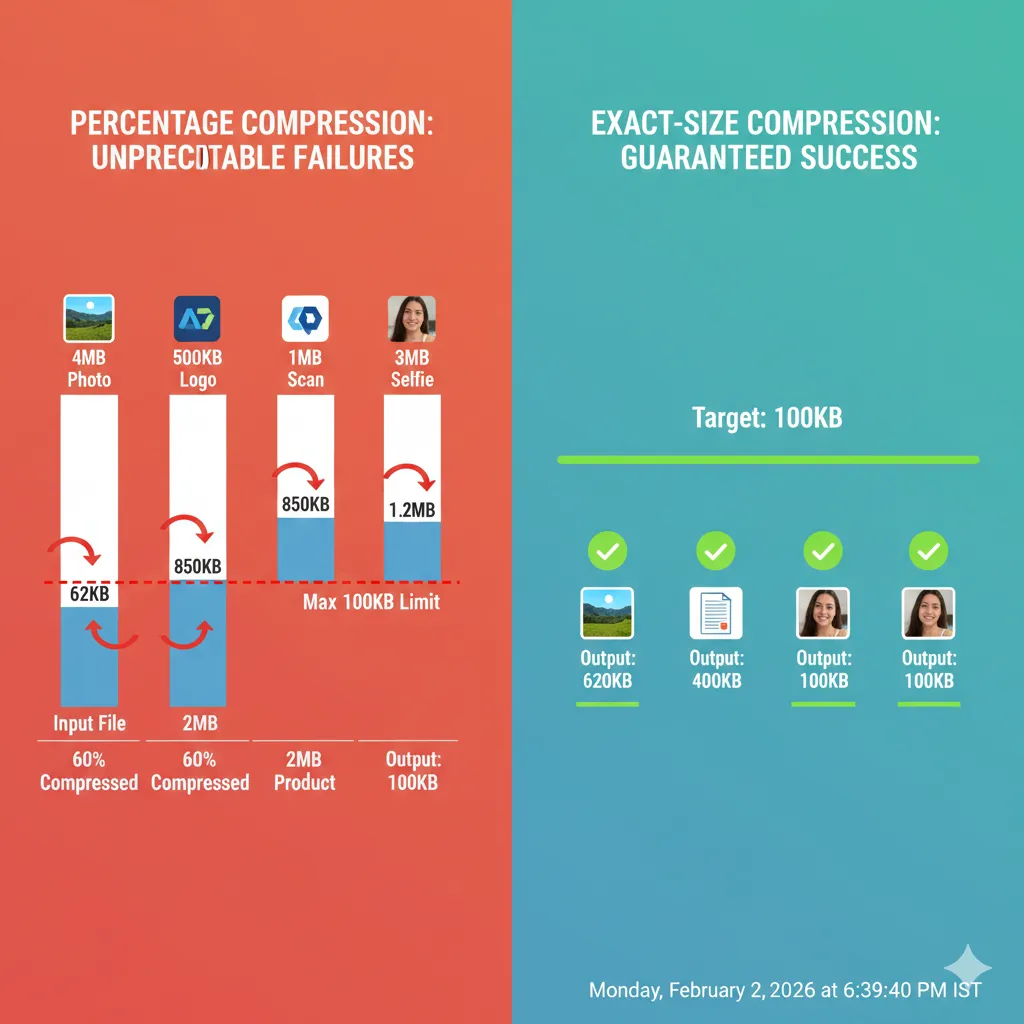
The final size depends on how efficiently the particular image can be compressed. An image may therefore end up considerably below the 2 MB limit rather than stopping at exactly 2 MB.
Why does reducing file size not necessarily reduce image dimensions?
Compression and resizing are different processes. Compression can reduce the amount of data stored in an image while keeping its existing width and height unchanged.