






FAQ's
Why is 5 MB used as an image file size limit?
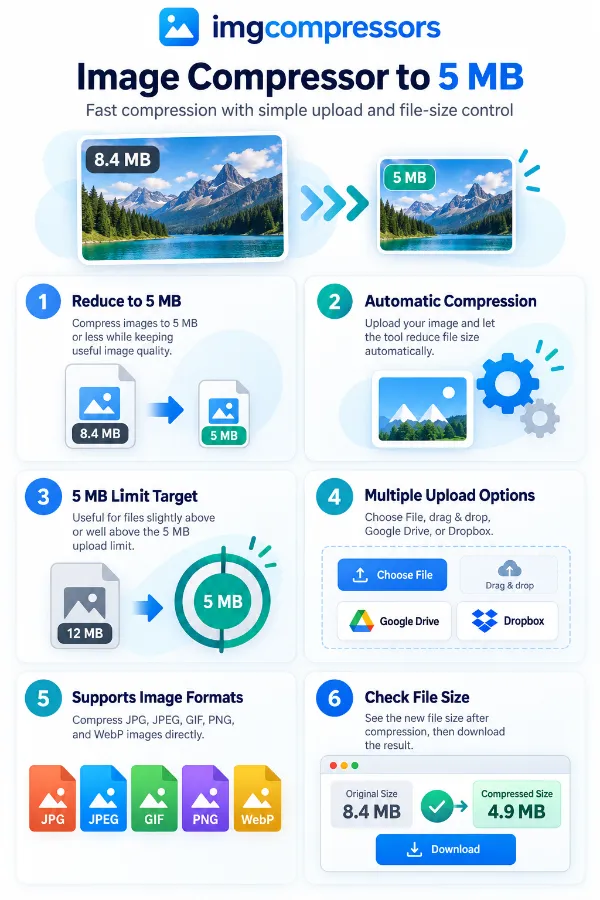
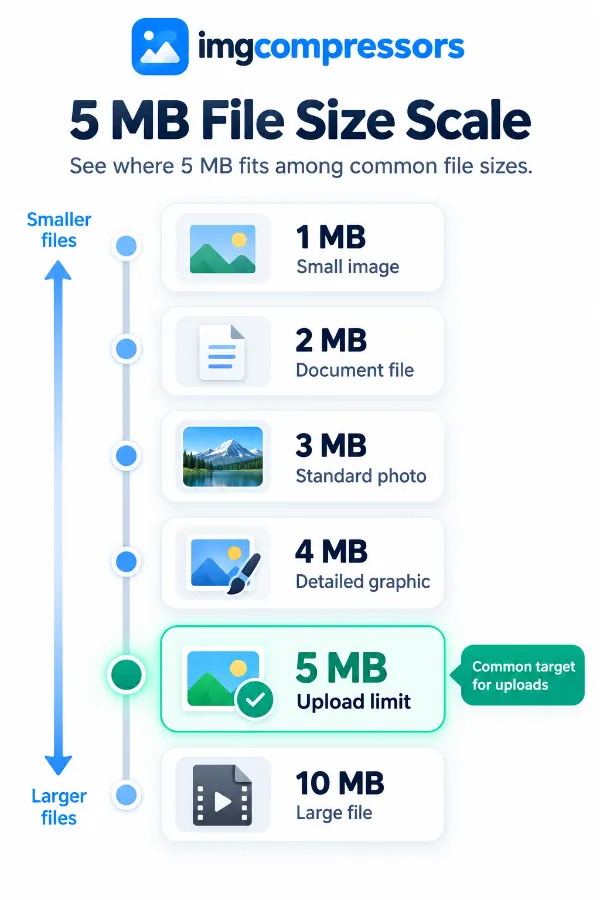
A 5 MB limit gives websites and applications a defined maximum amount of data they will accept for an image upload. It can help control storage requirements and the amount of data transferred when users submit files. When an image exceeds this limit, reducing its file size can make it suitable for the upload.
What does compressing an image to 5 MB actually mean?
It means reducing the amount of data stored in the image so that the resulting file is 5 MB or smaller. Compression changes the way image information is represented rather than simply changing the visible width and height. Depending on the format and compression method, some image information may be reduced to achieve a smaller file.
Is compression the same as resizing an image?
No. Compression reduces file size, while resizing changes the image's pixel dimensions, such as reducing 4000 × 3000 pixels to 2000 × 1500 pixels. An image can be compressed while keeping its dimensions unchanged, or it can be resized and then compressed for a further reduction.
Why compress an image instead of simply resizing it?
Sometimes the image dimensions are already appropriate for the intended use, but the file is still larger than the permitted limit. Compression can reduce the stored file size without necessarily changing those dimensions. This makes compression useful when the requirement is specifically about MB rather than pixel dimensions.
When is resizing more useful than compression?
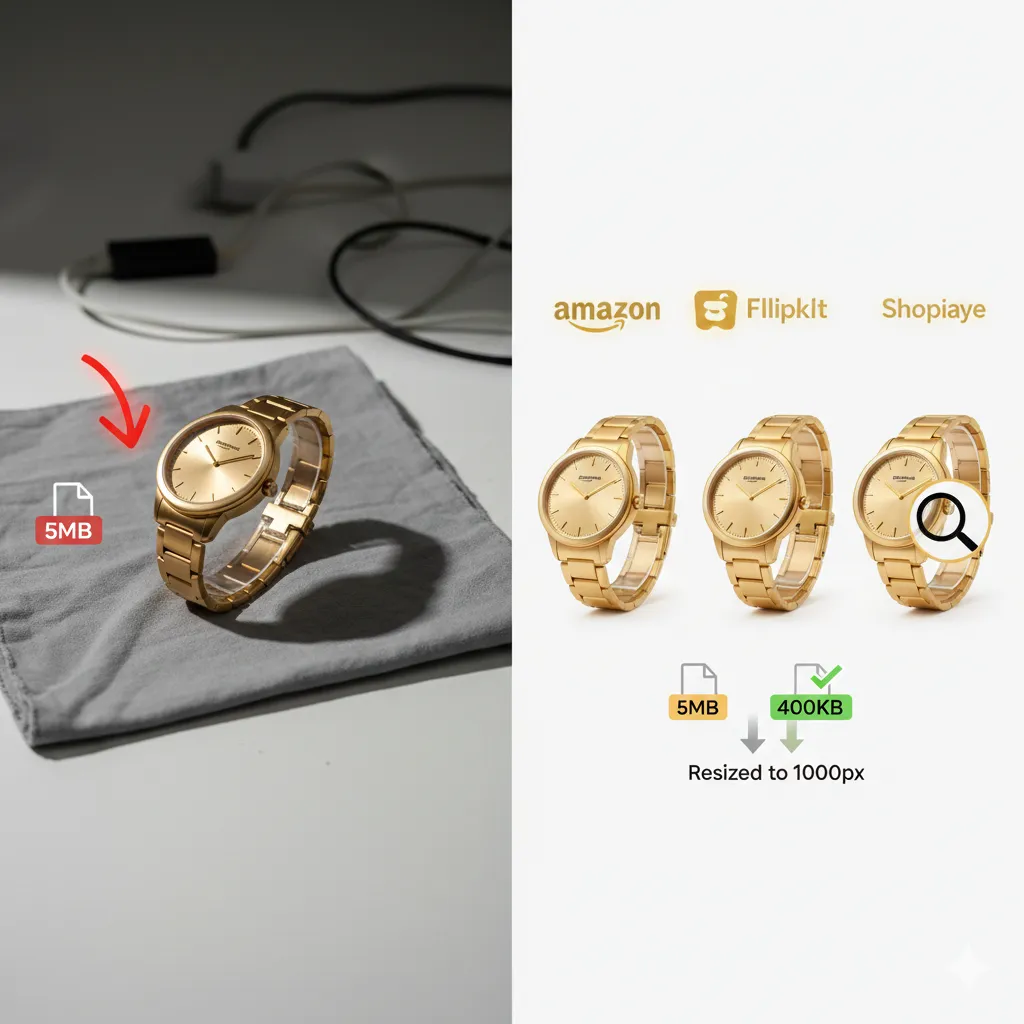
Resizing can be more appropriate when an image has far more pixels than the destination actually needs. For example, a large camera photograph may have very high dimensions even though it will only be displayed at a much smaller size online. Reducing unnecessary dimensions can lower the file size while making the image more suitable for its actual display area.
Why does the original image size matter when targeting 5 MB?
The starting size determines how much reduction is necessary. A 5.2 MB image needs only a small reduction, while a 20 MB image requires a much larger change to reach the same target. Greater reductions can create a higher possibility of visible quality changes.
Why can two 5 MB images have different image quality?
A file's size does not directly indicate how much visual detail it contains. Two 5 MB files can use different formats, dimensions, compression methods, and image content. One may therefore preserve considerably more detail than another despite having a similar file size.
How does image format affect the 5 MB target?
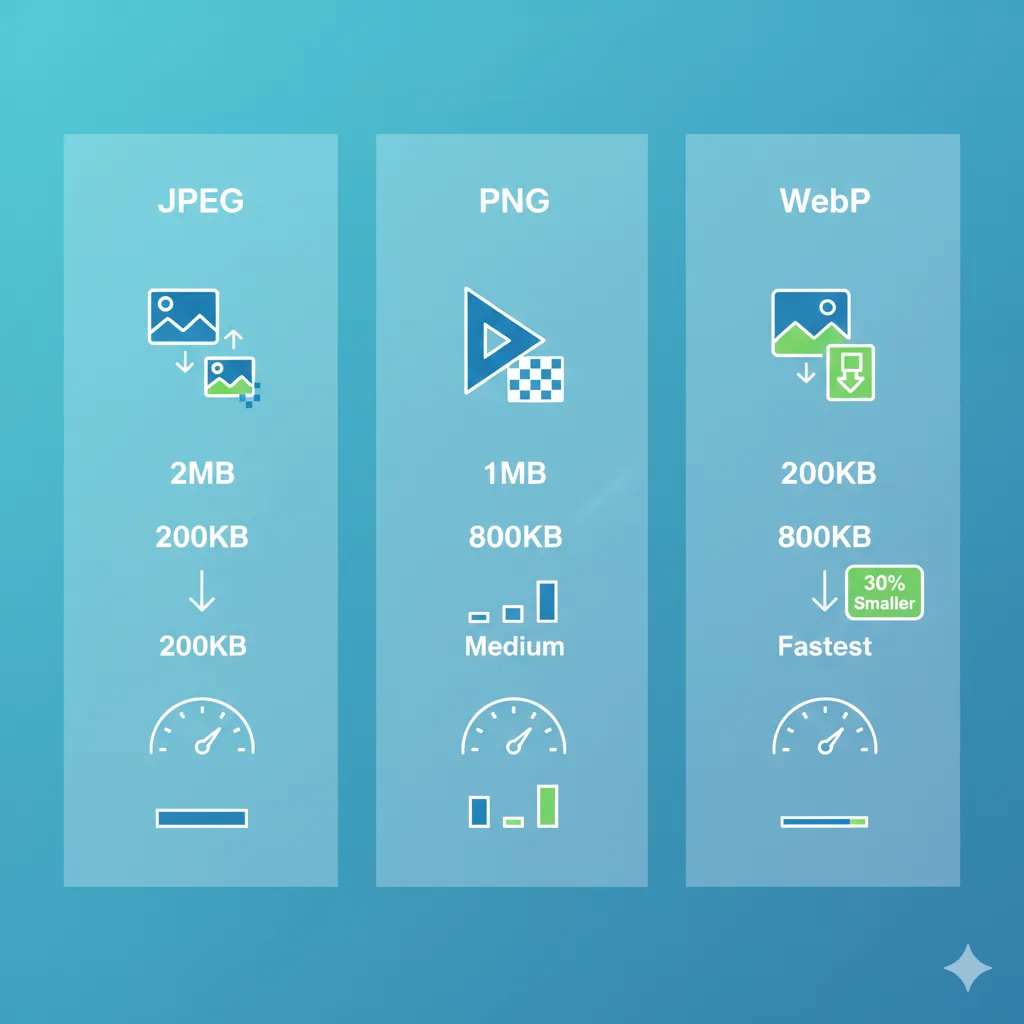
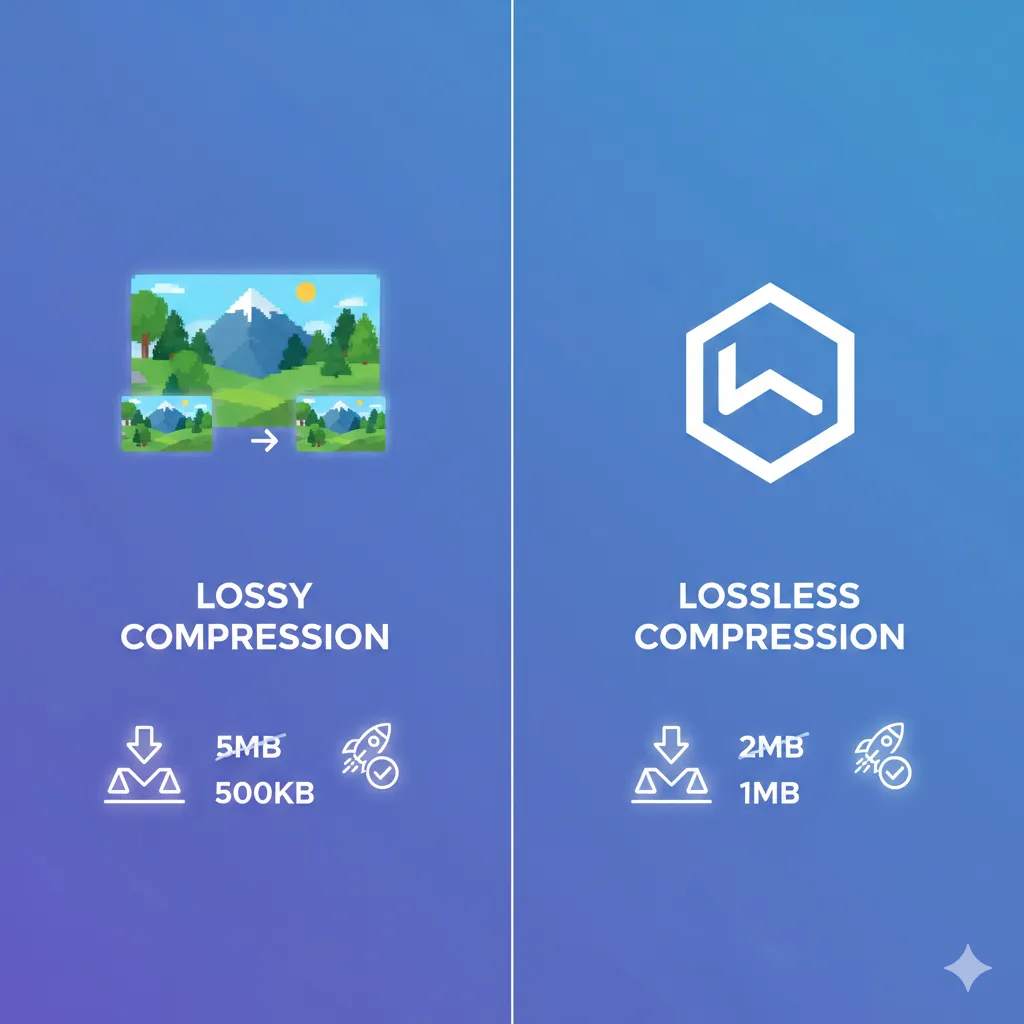
Different formats use different methods to store and compress image information. JPG/JPEG is commonly effective for photographs, PNG is useful when lossless image data or transparency is important, and WebP supports efficient lossy and lossless compression. As a result, the same image can have substantially different file sizes depending on the format.
Why can a JPG photograph be easier to reduce than a PNG?
JPG uses lossy compression that is particularly effective for photographic content. PNG uses lossless compression and is often better suited to graphics, transparency, and images where preserving the original data matters. Therefore, a photographic PNG may remain considerably larger than a JPG version of the same image.
Why does image content affect how much compression is needed?
Images containing textures, fine details, noise, and many color variations generally contain more information to represent. Simpler graphics with large areas of similar colors can often be stored more efficiently. This is why two files starting at the same size may require different amounts of compression to reach 5 MB.
What happens to image quality when a large file is reduced to 5 MB?
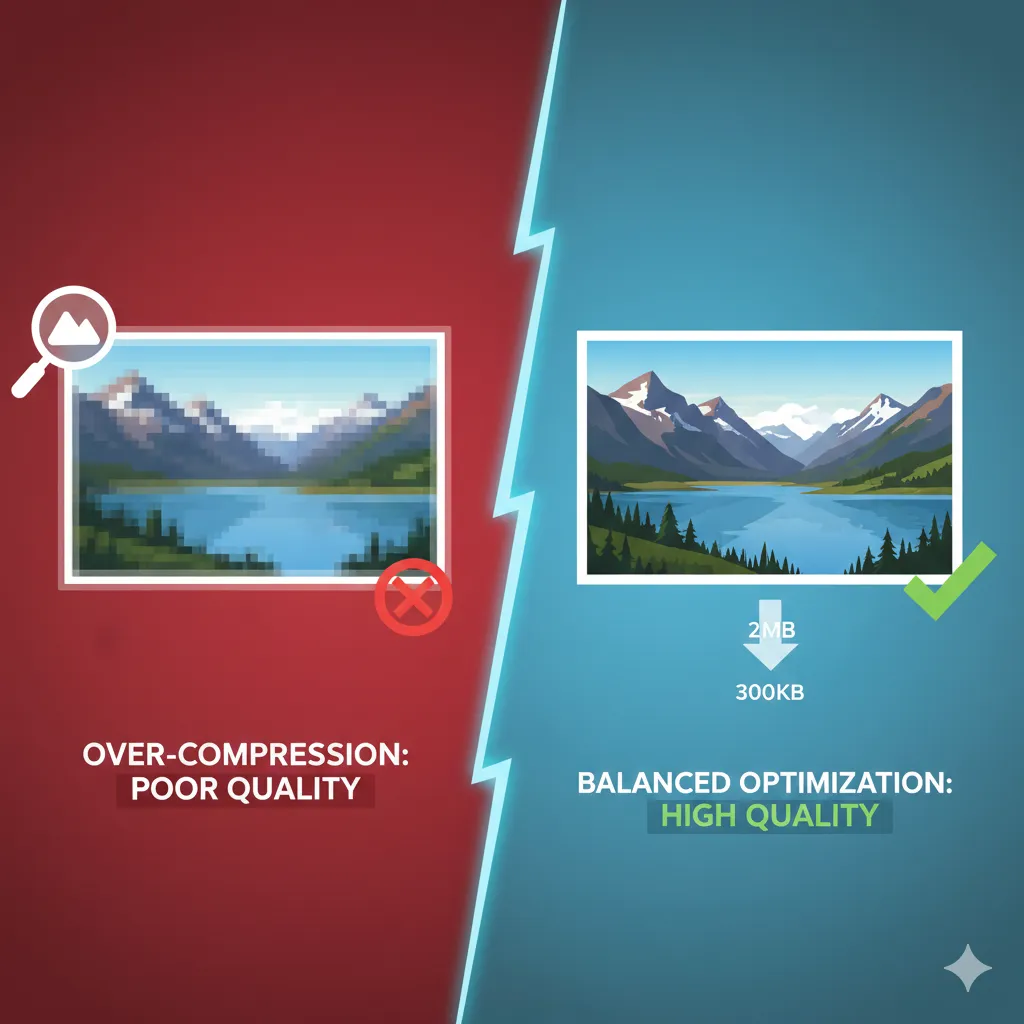
The effect depends on how much the original file needs to be reduced and which compression method is used. A small reduction may have little noticeable effect, while a substantial reduction can affect fine details, sharp edges, or textures. The compressed copy should therefore be checked at its intended viewing size.
Why do text or fine details look different after compression?
Small text, thin lines, sharp edges, and intricate patterns can be more sensitive to compression than broad areas of color. When the file needs a substantial reduction, these details may become softer or less distinct. This is particularly relevant for screenshots, diagrams, scanned documents, and graphics containing small text.
Is a file smaller than 5 MB automatically better?
No. A smaller file is useful when the destination has a strict size limit, but reducing the file beyond what is necessary can provide little benefit. If a 4 MB image already satisfies a 5 MB requirement and has suitable quality, making it even smaller is not necessarily an improvement.
Does the compressor need to create exactly 5 MB?
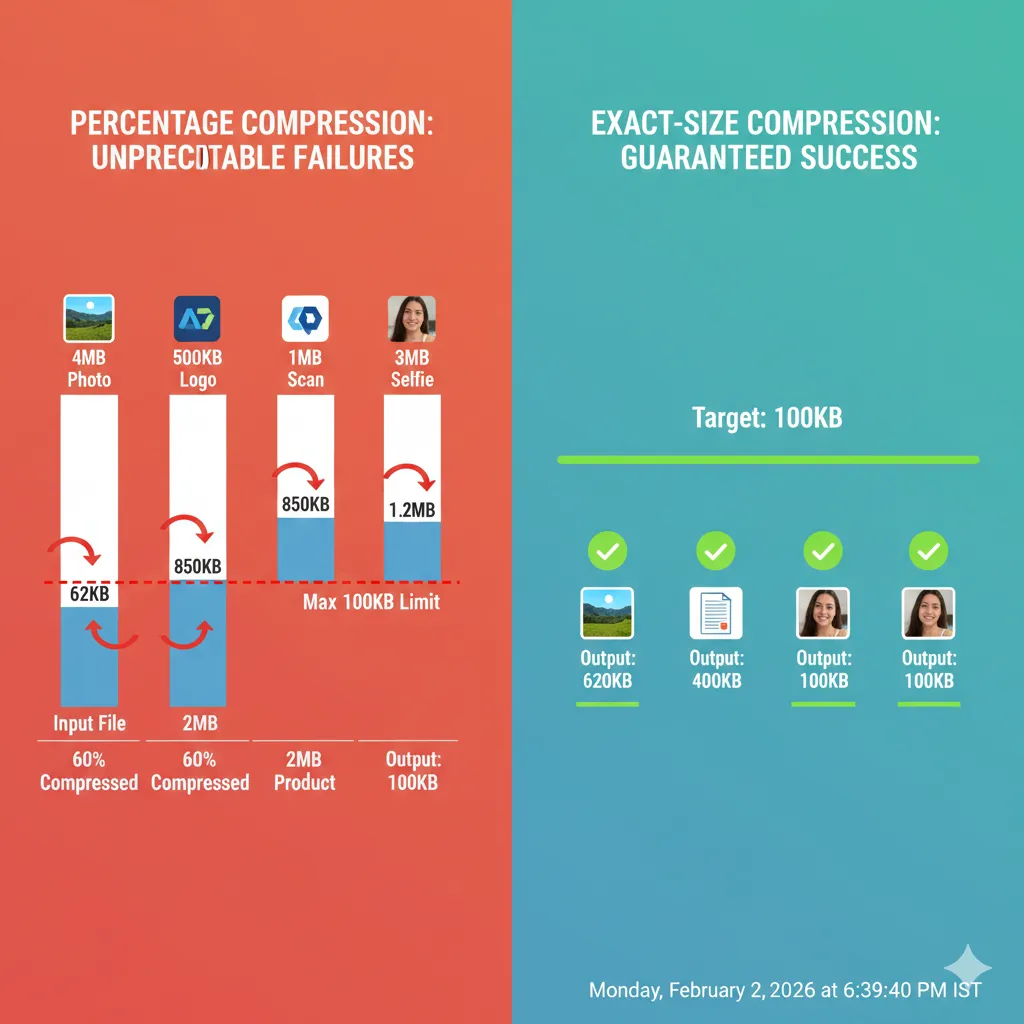
No. A 5 MB target normally means 5 MB or lower, not exactly 5 MB. A resulting file of 4.8 MB or 3.9 MB can still satisfy a maximum-size requirement of 5 MB. The actual acceptable range depends on the destination's instructions.
What should I do with the compressed 5 MB copy?
Use the compressed version for the website, application, form, or other task that has a 5 MB restriction. Keep the original separately if you may need the image later for editing, printing, or another purpose. This gives you a smaller working copy without replacing your source file.
Why shouldn't I replace my original image with the 5 MB version?
The compressed copy may contain less image information than the original, particularly if a substantial reduction was necessary. Keeping the original gives you a higher-quality source for future editing or other uses. The 5 MB version can then be reserved for situations where the smaller file is required.